
CNC machine tools operate at a level of precision where even small inconsistencies in speed or timing show up directly in the finished part. A spindle running slightly off-speed, a feed rate that drifts, a control system that responds a fraction of a second too slowly — any of these can turn a precision component into scrap. Automation in machine tools isn’t an efficiency add-on here; it’s the foundation the whole process depends on.
Why Machine Tools Demand a Different Level of Precision
Unlike many industrial processes where “close enough” is acceptable, machining tolerances are often measured in microns. This puts unusual demands on the automation stack: motor control needs to be precise and responsive, not just functional; control logic needs to execute predictably within tight timing windows; and the interface needs to give operators clear, immediate feedback when something is even slightly out of tolerance.
Key Automation Components in CNC Machine Tools
Spindle Speed Control
The spindle drive determines cutting speed, and precision here directly affects surface finish and tool wear. Vector-controlled frequency inverters deliver the precise speed regulation and high starting torque needed to maintain consistent cutting conditions across a wide range of materials and operations.
Sequencing and Process Logic
A PLC coordinates the machine’s overall sequence — tool changes, coolant control, safety interlocks, cycle start/stop — running this logic deterministically so the same program produces the same result every time it’s executed.
Operator Interface and Program Management
Machinists need fast, clear access to program status, tool data, and alarm information. A well-designed HMI reduces setup time between jobs and helps operators catch developing issues — unusual vibration, temperature, or load — before they affect part quality.
Safety Interlocks
Machine tools involve fast-moving cutting tools and significant mechanical force, making robust safety logic — guard interlocks, emergency stops, and functions like Safe Torque Off on spindle drives — a core part of the control system, not an afterthought.
The core requirement: in machine tools, automation quality is measured directly in the finished part — precise, repeatable motor control isn’t a nice-to-have, it’s what makes tight tolerances achievable at all.
What Good Automation Delivers on the Shop Floor
Better Surface Finish and Tolerance Control
Stable, precise spindle and feed control directly reduces variation in the finished part, cutting down on rejected parts and rework.
Faster Cycle Times
Precise control allows machines to run closer to their true capability limits reliably, rather than being run conservatively slow to compensate for inconsistent control.
Extended Tool Life
Consistent cutting speed and feed reduce the mechanical stress spikes that accelerate tool wear, extending tool life and reducing the frequency of tool changes.
Higher Machine Uptime
Reliable control logic and motor protection features reduce unplanned faults, keeping expensive machine tool assets running productively rather than sitting idle for troubleshooting.
Retrofitting Older Machine Tools
Many facilities run machine tools that are mechanically sound but electrically dated. Upgrading the spindle drive and control system — without replacing the machine’s mechanical structure — is often the most cost-effective way to bring an older machine’s precision and reliability closer to modern standards.
Product Spotlight
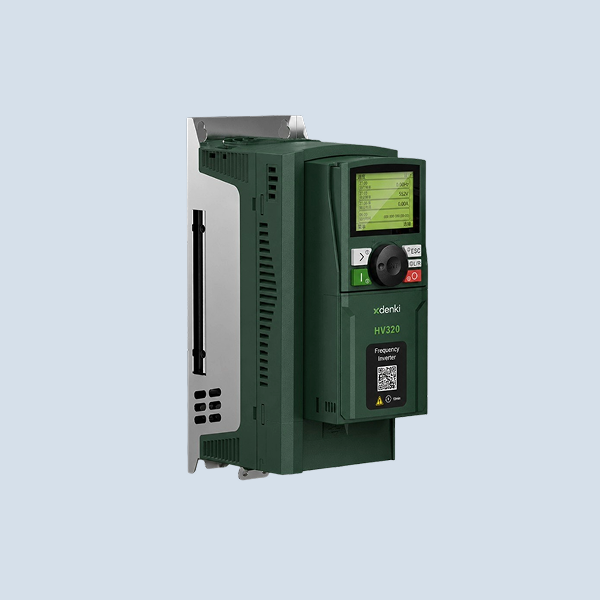
Spindle drive performance is central to machine tool precision, and the XDENKI HV320 Series Frequency Inverter is built to deliver it. With advanced open-loop and closed-loop vector control, high starting torque, and precise speed regulation, it provides the stable, responsive motor control that tight-tolerance machining depends on — whether powering a new build or retrofitting an existing machine.