Packaging and material handling lines live or die on speed and coordination. A single conveyor running slightly out of sync with the machine feeding it can cause jams, product damage, or a full line stoppage — and at the throughput most packaging operations run at, even small inefficiencies add up fast. Automation is what keeps dozens of moving parts working in sync, cycle after cycle.
Why This Environment Is Uniquely Demanding
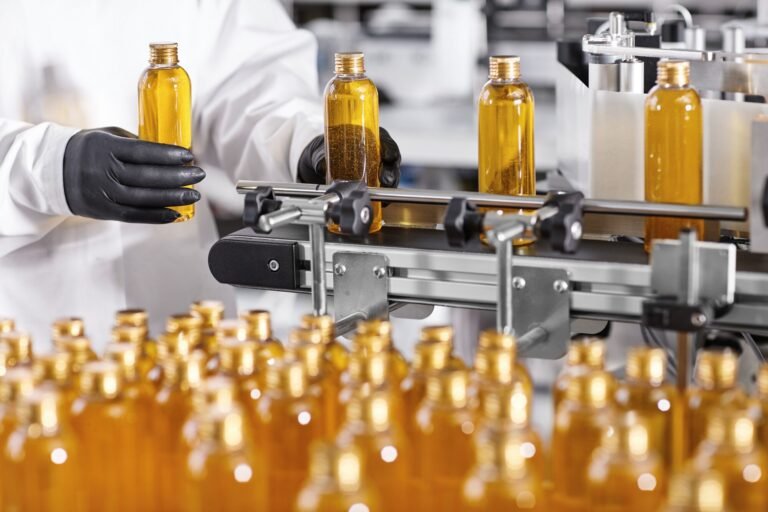
Packaging and material handling systems typically involve multiple pieces of equipment working in close sequence — conveyors feeding fillers, fillers feeding sealers, sealers feeding palletizers. Every stage has to run at a compatible speed, every handoff has to be timed correctly, and the whole system often needs to reconfigure quickly when product size or packaging format changes. Few other applications demand this level of continuous, multi-machine coordination.
Key Automation Applications
1. Conveyor Speed Synchronization
Frequency inverters allow each conveyor section to run at precisely the speed needed to match adjacent equipment — accelerating, decelerating, or holding steady in coordination with the rest of the line, rather than running at a single fixed speed that creates bottlenecks or gaps.
2. Product Detection and Sorting
Sensors detect product presence, position, and orientation, feeding that information to the PLC in real time so the system can trigger sorting, rejection, or diverting actions precisely as products pass a given point on the line.
3. Filling and Sealing Control
Precise motor and valve control ensures consistent fill levels and seal quality — directly affecting both product waste and packaging integrity, especially at high line speeds where timing margins are tight.
4. Palletizing and End-of-Line Handling
Coordinated motion control manages the repetitive, precise movements needed to stack and arrange finished product for shipping — a task that benefits enormously from consistent, programmed accuracy over manual handling.
5. Format and Recipe Changeovers
Packaging lines often run multiple product sizes or formats. Recalling stored parameters — speeds, positions, timing — from an HMI turns a changeover that might take an hour of manual adjustment into a task that takes minutes.
The key insight: packaging line performance isn’t determined by any single machine — it’s determined by how well every stage is synchronized with the ones before and after it.
Throughput Without Sacrificing Reliability
There’s a natural temptation to simply run packaging lines faster to increase output, but speed without control leads to jams, misfeeds, and product damage — which erase any throughput gain. The goal isn’t maximum speed in isolation, it’s the highest speed the system can sustain reliably, which is exactly what precise, coordinated automation makes possible.
Reducing Downtime Across a Multi-Stage Line
Because packaging lines are sequential, a fault at any single stage can stop the entire line. Real-time monitoring and clear alarm reporting on the HMI help operators quickly identify which stage caused a stoppage, cutting the time spent diagnosing the problem before production can resume.
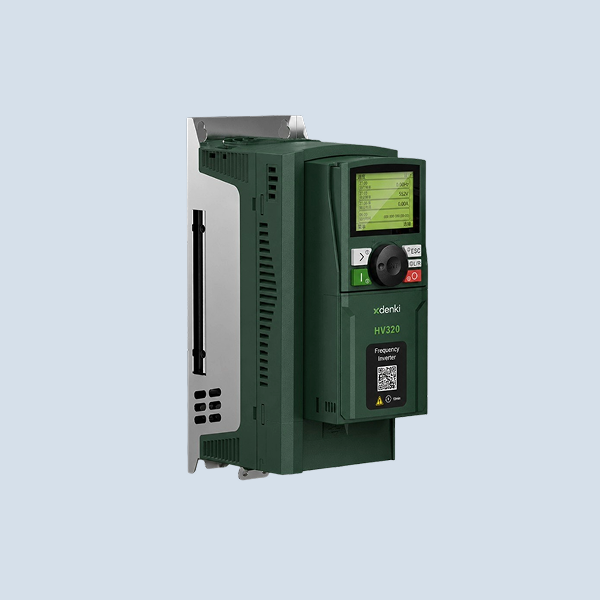
Precise, synchronized motor control is the foundation of a reliable packaging or material handling line, and the XDENKI HV320 Series Frequency Inverter is purpose-built for it. With high starting torque, precise speed regulation, and fast dynamic response, it keeps conveyors, fillers, and sorting equipment running in sync — even as line speed and product format change throughout the day.