Sustainability in manufacturing used to be treated as a separate initiative — something layered on top of normal operations. Increasingly, it isn’t separate at all. The same automation technology that improves throughput and quality also happens to be one of the most effective tools for reducing energy use, cutting waste, and extending equipment life — sustainability and operational performance turn out to be the same goal, viewed from different angles.
Why Sustainability Is Now a Manufacturing Priority
Rising energy costs, tightening environmental regulations, and growing customer expectations around supply chain responsibility have moved sustainability from a nice-to-have to a genuine operational and competitive concern. The good news is that manufacturers don’t need a separate sustainability program bolted onto their operations — much of the progress comes from the same automation investments that improve efficiency and reliability.
How Smart Automation Supports Sustainability
1. Reduced Energy Consumption
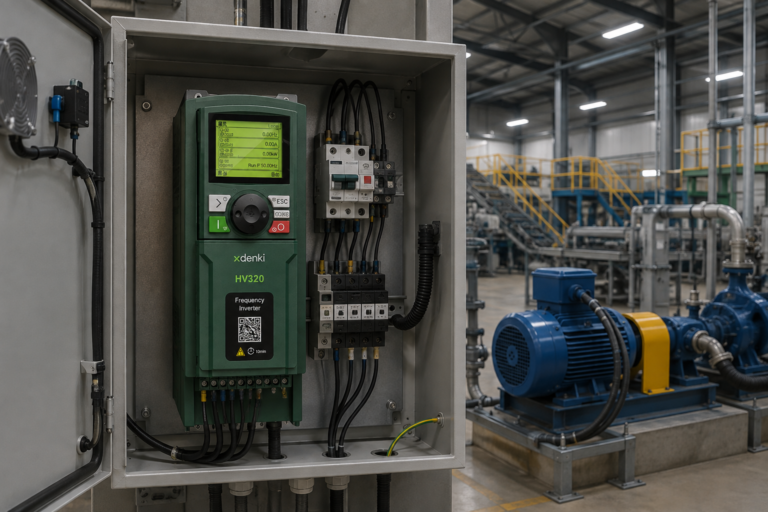
Variable speed motor control, demand-based process logic, and automated scheduling all reduce electricity use by matching output to actual need rather than running everything at maximum output continuously — often one of the largest and most measurable sustainability gains available.
2. Less Material and Product Waste
Precise, consistent process control — accurate dosing, stable temperature regulation, repeatable machine cycles — directly reduces the frequency of off-spec product, scrap, and rework, each of which represents wasted raw material, energy, and labor that already went into production.
3. Extended Equipment Life
Soft starting, precise motor control, and predictive maintenance all reduce mechanical stress and catch developing problems before they cause damage — extending the useful life of motors, drives, and machinery, and reducing the resource footprint associated with manufacturing and disposing of replacement equipment.
4. Data for Measurable Progress
Sustainability commitments increasingly require actual data, not estimates — energy consumption trends, waste rates, equipment efficiency over time. Automated data collection through IoT gateways and HMIs provides exactly this, turning sustainability goals into something measurable and trackable, rather than an annual guess.
5. Resource Optimization at Scale
Connected systems that aggregate data across multiple lines or facilities make it possible to identify inefficiencies that aren’t visible looking at any single machine — informing decisions about where to invest in efficiency upgrades for the greatest overall impact.
The reframe worth making: sustainability investments and operational efficiency investments are largely the same investments — a facility that automates well tends to become more sustainable almost as a byproduct.
Turning Data into Reporting
Beyond operational benefits, connected automation systems provide the underlying data that sustainability and ESG reporting increasingly requires — energy consumption by line or facility, waste and scrap rates, equipment utilization. Rather than treating reporting as a separate manual exercise, this data can be captured as a natural byproduct of the same monitoring systems already improving day-to-day operations.
Getting Started Without a Major Overhaul
Building sustainable manufacturing doesn’t require replacing existing equipment. Connecting current PLCs, HMIs, and motors to a monitoring platform — capturing energy use, alarm history, and performance data — is often the highest-leverage first step, providing both immediate operational insight and the data foundation for longer-term sustainability initiatives.
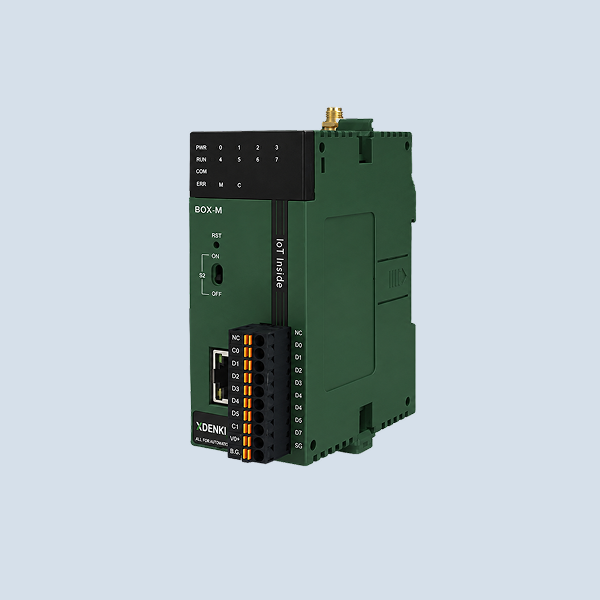
Turning sustainability goals into measurable progress starts with visibility, and the XDENKI H-BOX-M Series Industrial IoT Box makes that visibility possible without replacing existing equipment. By connecting current PLCs, HMIs, and sensors to the cloud, it enables real-time monitoring, historical data collection, and remote diagnostics — giving facilities the data foundation needed to track and improve energy use, equipment efficiency, and waste over time.