Most facilities have energy-saving opportunities hiding in plain sight — motors running full speed with a throttled valve, fans controlled by a mechanical damper, pumps that run continuously regardless of actual demand. The challenge usually isn’t understanding that frequency inverters save energy — it’s knowing where in a facility they’ll make the biggest difference.
Which Applications Offer the Biggest Opportunity?
Not every motor-driven application benefits equally from a frequency inverter. The single best category is variable torque loads — fans and centrifugal pumps — where power consumption scales roughly with the cube of speed, meaning even small speed reductions produce large energy savings. Constant torque loads like conveyors, mixers, and extruders still benefit from precise control, soft starting, and reduced mechanical wear, but the pure energy-savings case is usually smaller and more application-specific.
Signs an Opportunity Exists
1. Mechanical Throttling in Use
Any process that controls flow or pressure using a partially-closed valve, a damper, or a bypass line — while the motor runs at full speed — is a strong candidate. The motor is producing more output than needed, and the excess is simply being wasted mechanically.
2. Continuously Running Equipment
Motors that run 24/7 or across long shifts compound even small per-hour savings into significant totals over a year. These are usually the first place to look, simply because of the number of operating hours involved.
3. Variable, Predictable Demand
Processes where demand naturally varies — occupancy-driven HVAC systems, production lines that don’t always run at full capacity, water systems with fluctuating usage — are strong candidates, since a fixed-speed motor is almost certainly oversized for at least part of the operating cycle.
4. Oversized Motors
Motors sized with a generous safety margin — common practice in many installations — often run well below their rated capacity most of the time. An inverter lets that motor operate efficiently at the lower speeds actually needed, instead of running oversized capacity at full power constantly.
5. Frequent Starting and Stopping
Applications with frequent direct-on-line starts draw high inrush current repeatedly. An inverter’s soft-start capability reduces this peak demand, which can lower utility demand charges in addition to overall energy use.
Quick screening test: if a motor runs continuously, uses mechanical throttling, or serves demand that varies throughout the day — it’s very likely a strong candidate for a frequency inverter.
Estimating the Savings
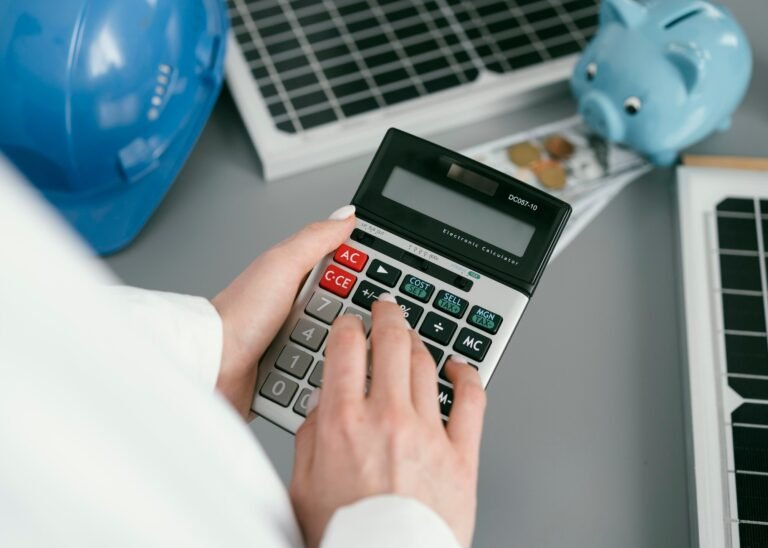
A rough savings estimate can be built from three numbers: the motor’s rated power, its typical operating hours, and how much speed reduction is realistic given actual process demand. For fan and pump applications, applying the cube-law relationship to that speed reduction gives a reasonable estimate of the potential energy savings — often enough to gauge whether a more detailed energy audit is worthwhile.
Prioritizing Multiple Opportunities
When a facility has several candidate motors, prioritizing by annual operating hours multiplied by potential speed reduction is usually a good starting heuristic — a motor running 24/7 with significant throttling will typically deliver a faster payback than one that runs only a few hours a day, even if the second motor is larger.
Beyond the Energy Bill
While energy savings usually drive the initial business case, the same inverter typically delivers additional value through reduced mechanical wear from soft starting, more precise process control, and — if paired with connectivity — visibility into real-time performance that wasn’t available before.
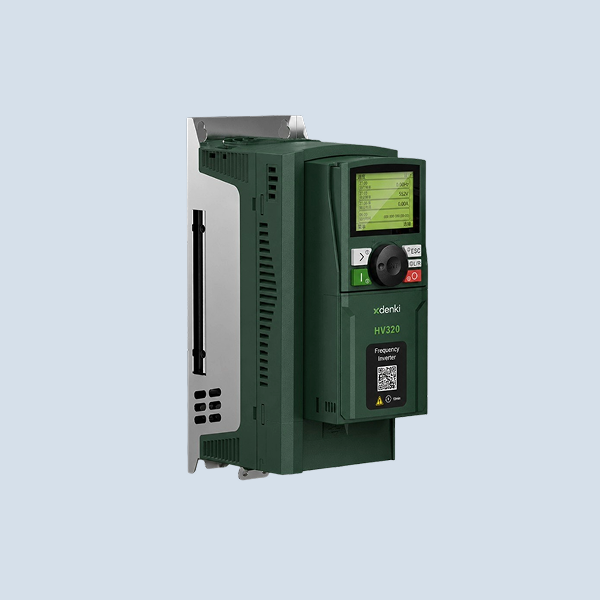
Once an energy-saving opportunity has been identified, the XDENKI HV320 Series Frequency Inverter provides the range and control precision to capture it. Available across a 0.4–800kW power range with both V/F and vector control options, it fits everything from a single throttled pump to a large, variable-demand fan system — turning identified opportunities into measurable savings.